
03Skin Concern · 03 of 14
Actinic Keratosis
Sun damage deserves a physician’s eye — not a guess.
Serene Rejuvenation · Surrey, BC
01Understanding
What’s really
going on
Actinic keratosis appears as rough, scaly, or crusty patches on sun-exposed skin — most often the face, scalp, and hands. These spots are caused by years of UV exposure, and because a small percentage can progress to skin cancer, they deserve a physician’s assessment rather than a spa treatment.
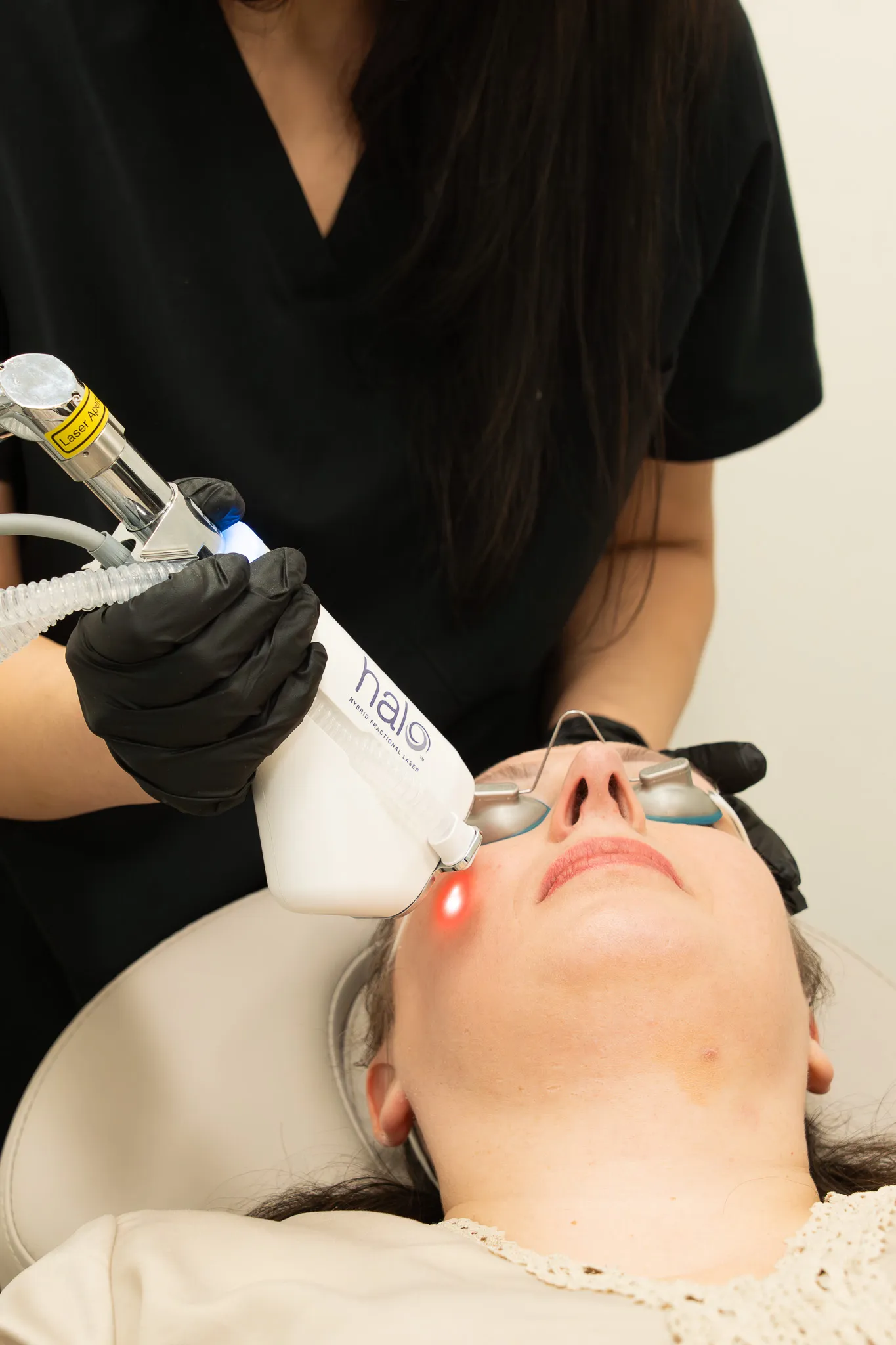
As a medical doctor, Dr. Sarai evaluates each lesion before treating. Laser resurfacing with HALO®, ProFractional™, or TRL™ removes damaged cells and stimulates healthy skin renewal, treating the visible patch and improving surrounding sun damage at the same time.
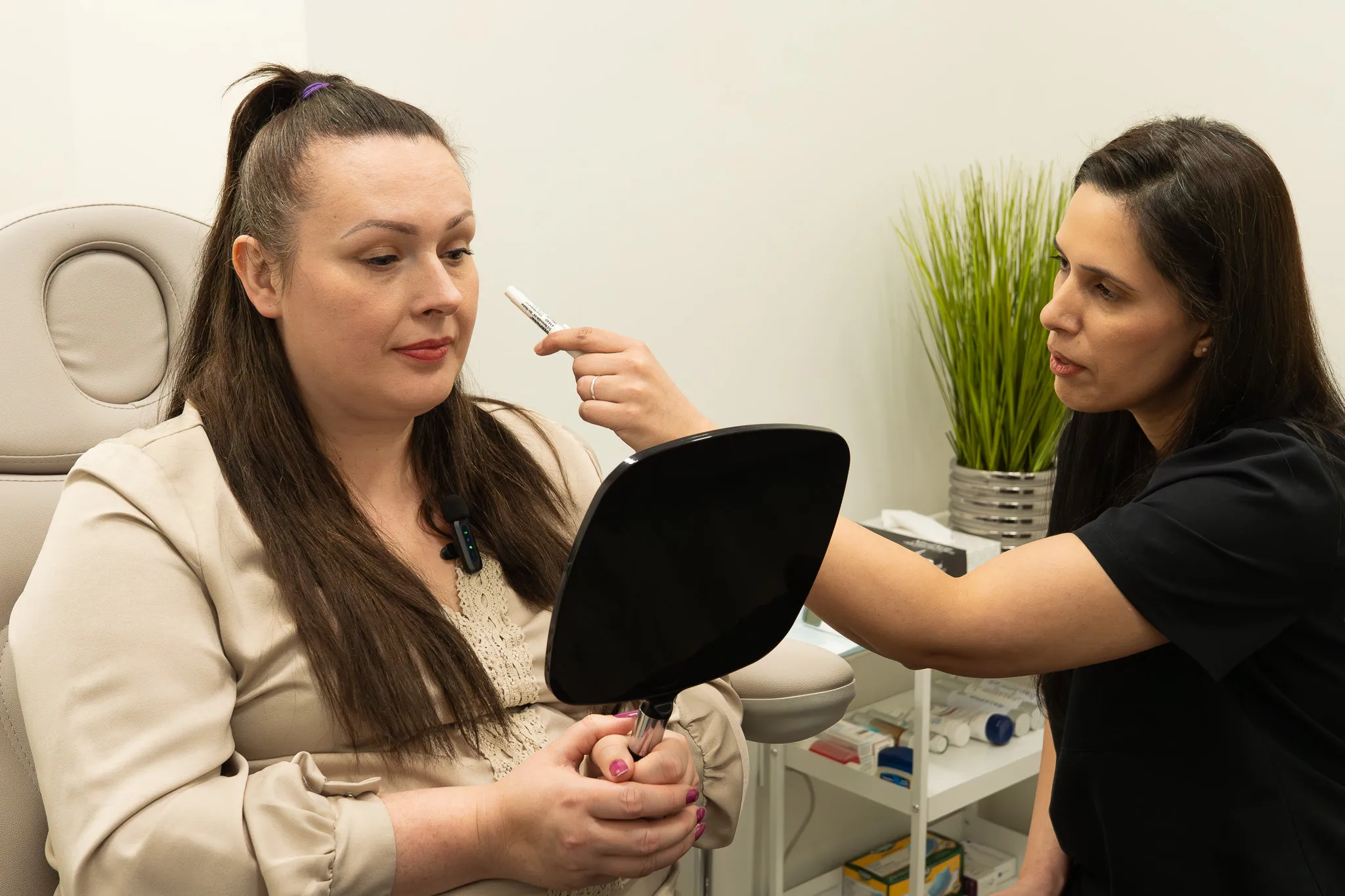
Not sure which treatment is right for you? Every plan starts with a physician consultation — your skin, assessed properly.
03The Plan
Three Steps To Healthier Skin
Assess
A medical evaluation of each lesion — the essential first step, because not every rough patch should be treated cosmetically.
Treat
Laser resurfacing calibrated to the lesion and surrounding sun damage — removing damaged cells and stimulating healthy renewal.
Maintain
Strict sun protection and regular skin checks so new changes are caught early and treated appropriately.
Dr. Sundeep Sarai · BSc, MBChB, CCFP — every treatment plan is physician-designed.
Begin with a conversation
Tell us about your skin and your goals, and Dr. Sarai will recommend a considered, individualised plan.